
I picked up The Bastard and Ablutions along with several other of deWitt’s novels, after reading my favorite book of 2024, The Sisters Brothers. His narrative voice couples bleak atmospheres with humorous, absurd dialogue and events. He immediately became one of my favorites, and I bought a copy of The Sisters Brothers for everyone I knew who would love it. (Side note: the film, its cast, everything seems to have been in the right place, yet I hated it despite the great opportunity there was for something amazing to happen with Phoenix, Reilly, Gyllenhaal, and Ahmed).
The Bastard is a very short story, but one that carries all of the hallmarks of what makes The Sisters Brothers so well done. It is a historical fiction piece about a con man who, as one can immediately tell, goes from town to town looking for a mark. In fact, it is almost a side-story to The Sisters Brothers in a way — another tale from the same ridiculous American West universe.
The bastard happens upon the isolated frontier property of Farmer Wilson and his family. He sounds like he has just randomly arrived looking for a meal and a place to sleep, but it turns into a calculated ploy that could end in a robbery, a murder, or even an example of that old traveling salesman joke that separates Wilson’s daughter from the family, chased into the sunset by an angry dad with a shotgun.
This was a great short story published by Electric Literature that is very similar in scope and length to an Amazon Short. It is a great little distraction, well-written, and packed with deWitt’s trademark humor and dread in every line. A great short read.
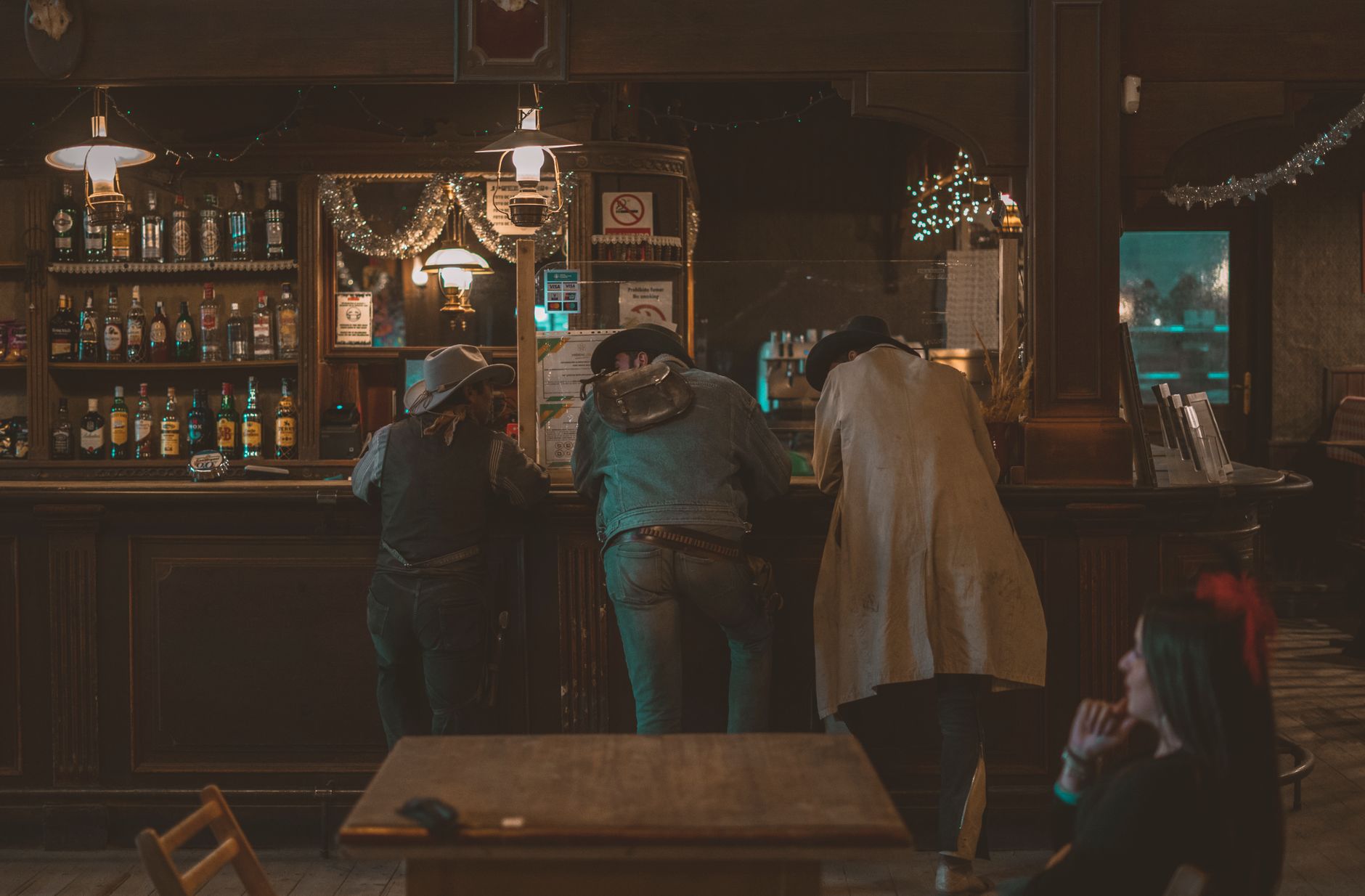
“This was only a piece of another throwaway bar story whose plot you no longer remember…”
I also read what turned out to be his debut novel, Ablutions—another short piece that is highly unique in scope when considering the rest of his work. Written in the second person, the story follows an unnamed protagonist working in a Hollywood dive bar. The place is frequented by alcoholics, prostitutes, drug dealers, washed-up actors, grifters, drifters, and a host of other characters from the wrong side of the tracks. Our bartender studies each of the regulars almost anthropologically, describing their personalities, quirks, and routines with deWitt’s trademark wit and humor, all while promising himself that this will all one day become material for a book. Unfortunately, as the story goes on, he constantly ups his personal stakes to align with those of his patrons. He drinks more and more every day, starts using cocaine and pills—eventually developing a deep dependence—and faces each morning in a semi-intoxicated, sickly haze that he has to beat back with more substances.
As he spirals downward, we are treated to some absurd, funny, and beautiful moments of clarity. One involves a regular who predicts the narrator is going to be shot to death, even as strange moments of violence break out randomly in defiance of this unfulfilled prophecy. Later, he goes on a road trip through Arizona—visiting other bars, motels, and strangers—all of it beating him over the head with the realization that he is slowly becoming the very people he is writing about. His habits are quietly taking over his life, damaging him in the exact same ways his subjects have been damaged. He paints himself into the corner of the ecosystem of addiction, unaware that he has become what he was so desperately raging against. One moment of awe happens when he sees the Grand Canyon, reflecting that the vastness of this chasm mirrors just how small, damaged, and emotionally numb he has become.
The novel ends not with a grand revelation or message, but with the stark truth that addiction is a form of identity erasure. Memories, consistency, and awareness all bleed away into a confused fog, and so do relationships. His wife leaves him, he steals to try to escape, and he never really experiences an awakening, redemption, resolution, or even a clear rock bottom. Instead, the book simply presents vignettes and episodes in the dark, humor-laced pacing of a descent. This is what happens to you, after all, and it is uncertain at every turn.


